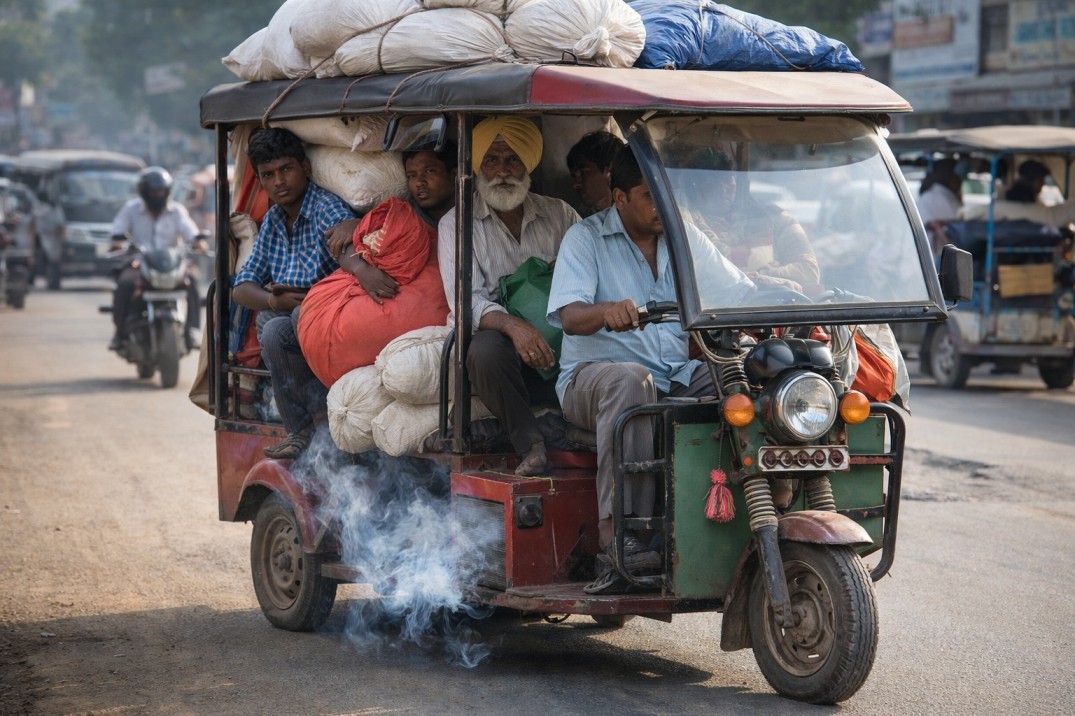
Can Overloading Damage E-Rickshaw Batteries?

Ever carried something heavy for too long? Your back hurts. Arms ache. The next day you feel it even more. The same thing happens to your battery. They carry people. They carry goods. For many drivers, this is the main source of income. So it feels tempting to take one extra passenger or a little extra load. More load means more money, right? But here is the truth. Overloading can slowly damage your battery. And battery replacement is not cheap. In this blog by Radix, a trusted E-Rickshaw battery manufacturer in India, we will explain how overloading affects your battery and what you should watch out for.

What happens when you overload

Every e-rickshaw has a fixed weight limit. When you cross that limit, the motor has to work harder. When the motor works harder, it pulls more power from the battery.

This extra power draw creates more heat. It also drains the battery faster. One or two times may not show big damage. But if you overload daily, the battery starts feeling the pressure.

Even a strong battery made by a good E-Rickshaw battery manufacturer in has limits. It is built for normal use, not constant overload.

How overloading reduces battery life

A battery works best when power flow is steady. Overloading forces it to give high current again and again. This stresses the internal plates.

Slowly, backup time becomes less. You may notice your vehicle does not run as long as before on a full charge. Charging time may increase too.

Heat is another problem which is not good for battery health. Over time, this reduces life. 

Signs you should not ignore

Your e-rickshaw feels weak on small slopes.
Battery drains very fast.
Battery becomes very hot after a trip.
You need to charge more often than before.

These signs tell you something is wrong. Overloading could be one reason.

Why battery quality still matters

A strong battery from a trusted E-Rickshaw battery manufacturer can handle daily city use better. It gives stable power. It stays balanced under normal load.

Radix, a trusted E-Rickshaw battery manufacturer in India, designs batteries for Indian roads and traffic conditions. But even the best battery needs proper care. Good quality plus good usage gives the best result.

Simple ways to protect your battery

  • Follow the weight limit of your vehicle.
  • Avoid carrying extra passengers for quick money.
  • Charge the battery fully before long routes.
  • Do regular maintenance checks.

Small habits can save you big money later. 

FAQs

1. Can overloading damage my battery quickly?

Not in one day. But regular overloading reduces battery life over time.

2. Why does the battery heat up during overload?

Because it gives more current than normal. More current means more heat.

3. Does good battery quality prevent damage?

Good quality helps. But even the best battery has limits.

4. How can I increase battery backup?

Avoid overload. Charge properly. Maintain regularly.

5. Is it worth overloading for extra income?

It may give a small extra money now. But battery replacement later costs more.

Final words

Your battery is the heart of your e-rickshaw. If you take care of it, it will support your earnings every day.

Choose Radix, a trusted E-Rickshaw battery manufacturer in India, for strong performance and long life. Drive smart. Protect your battery. Keep your income steady.
Agrivoltaics: Farming and Solar Power Together

In a country like India with limited farm space and high need for electricity, land is a very valuable resource. Using the same piece of land for both farming and power generation sounds smart right? That’s exactly what agrivoltaics does. Same land. Two incomes. Food plus power. In this article by Radix, a trusted solar battery manufacturer in Meerut, let us break down what agrivoltaics actually means and why it matters for farmers.

What is Agrivoltaics

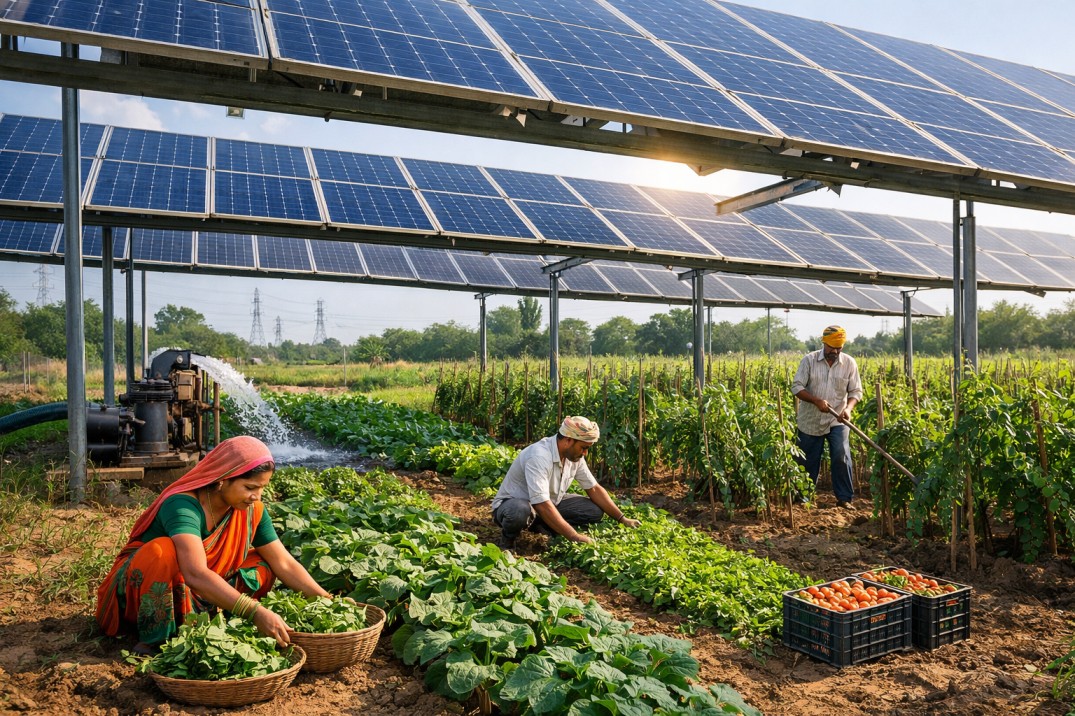
Agrivoltaics is basically farming and solar power working together on the same land. The word comes from combining agriculture and photovoltaic which means solar electricity. Here the crops are grown underneath the solar panels on tall structures in the farmland. The panels generate electricity while crops grow in the space below. Some people also call it agrisolar or dual use solar. Farmers can grow their crops and produce clean solar energy at the same time. 

How It Actually Works on Your Farm

Solar panels get mounted on tall metal structures. Usually 3 to 4 meters high. Crops grow underneath with some shade from panels above. Not complete darkness though. Panels get spaced out so enough sunlight still reaches your plants.

Vegetables that normally burn in direct summer sun do better with partial shade. Water doesn’t evaporate as fast because the ground stays cooler. 

The electricity goes two ways. Powers your farm equipment like water pumps and cold storage directly. Any extra power can be sold back to the electricity grid for additional income.

Battery storage becomes really important here. Radix, a reliable solar battery manufacturer in Meerut, provides efficient solar batteries that work with excellence.

Why Indian Farmers Are Getting Interested

India doesn’t have unlimited farmland. The population keeps growing. We need more food every single year. But we also need way more electricity. Taking away good farmland just for solar farms creates new problems.

Agrivoltaics fixes this conflict. Get both food and power from the same land. Farming costs keep climbing too. Diesel for pumps costs a fortune. Grid electricity for irrigation keeps getting expensive. Solar power with battery storage cuts these costs dramatically over 5 to 10 years. Agrivoltaics can drop that burden significantly.

Which Crops Actually Work

Not every crop works equally well under solar panels. Leafy vegetables like spinach and lettuce grow really well with partial shade. Tomatoes, peppers, and beans also perform okay. Even some berries and medicinal plants thrive under these conditions.

Crops needing full blazing sunlight all day like wheat or rice might not work as well. But smart mixed farming with right crop choices makes agrivoltaics productive. Early results from pilot projects across India look quite promising though.

The Battery Part

Solar panels make power during daytime. But farms need electricity at night too. For running irrigation pumps after sunset. For keeping cold storage running. For processing equipment.

This is where battery storage becomes absolutely critical. Radix, a dependable solar battery manufacturer in Meerut that offers high quality solar batteries built for long life and steady backup.

Morning pump usage when you’re irrigating fields. Daytime processing of harvests. Evening cold storage for keeping produce fresh. Batteries store excess daytime solar power and make it available whenever you actually need it.

Without proper battery storage, agrivoltaics lose a huge chunk of its value. 

The Challenges

While agrivoltaics sounds great, it does have some challenges too. Setup costs real money upfront. Installing those tall structures and solar panels requires decent investment. Not all farmers can afford this easily without loans or subsidies.

Technical knowledge is limited right now. Farmers need proper training on managing both crops and solar systems together. Support infrastructure is still being built in most states.

Working with an experienced solar battery manufacturer helps because they understand regional farming patterns and weather conditions. They can recommend appropriate system sizing based on actual local needs, not just generic calculations.

Making Agrivoltaics Work for Your Farm

Interested in combining your farming with solar power generation? Radix can help design a complete system that works for your specific land size, crop types, and power needs.

Our batteries are built specifically for agricultural use in Indian conditions. Reliable power storage that handles farm load patterns and lasts for many years even in tough weather.

We understand farming because we work with farmers regularly. Not just selling equipment. Actually helping design systems that solve real problems.

Contact Radix today to discuss agrivoltaics options for your farm. Let’s figure out how to make your land more productive and way more profitable.

Call us or visit our website to get started now.

Questions Farmers Keep Asking

Q. Will solar panels block too much sunlight for my crops?

Not when designed properly. Panels get spaced to allow enough sunlight through for healthy growth. Some crops actually benefit from partial shade especially in hot summer months.

Q. What happens during the monsoon when there’s less sun?

Battery storage helps you run things during cloudy days. Also you can pull from the grid during extended rainy periods if needed. The system handles both situations.

Q. How long before my investment pays back?

Typically 5 to 7 years depending on system size, your power usage patterns, and crop yields. After the payback period, the system generates profit for 20 plus more years.