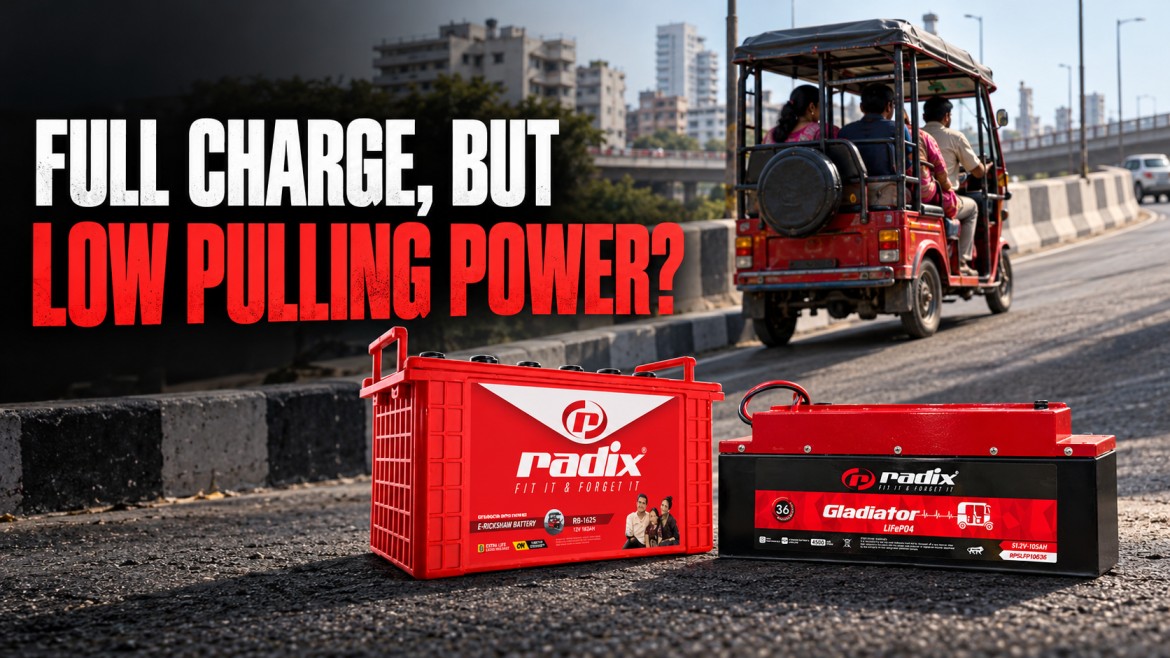
What Makes A Battery Reliable For UP’s Weather And Road Conditions?

A battery in Uttar Pradesh does not live an easy life.

Summer heat, dust, rough roads, long power cuts, traffic, short rides, and daily commercial use all test it. A battery may look fine when it is new, but the real result comes after a few months.

That is when users start noticing things.

Inverter backup drops.
Bike self-start becomes weak.
Car cranking slows down.
E-rickshaw range reduces.
Charging takes longer than before.

This is why choosing the right Battery manufacturer in Uttar Pradesh matters. A battery should not only work on the first day. It should handle local conditions without becoming a regular problem.

At Radix, the focus is simple: make batteries that perform in real use, not just on paper.

Heat Is The First Test

UP summers can be harsh.

Inverter batteries kept in closed corners heat up faster. Automotive batteries sit near engine heat. Bike batteries face daily sun, dust, and vibration. E-rickshaw batteries work for long hours under load.

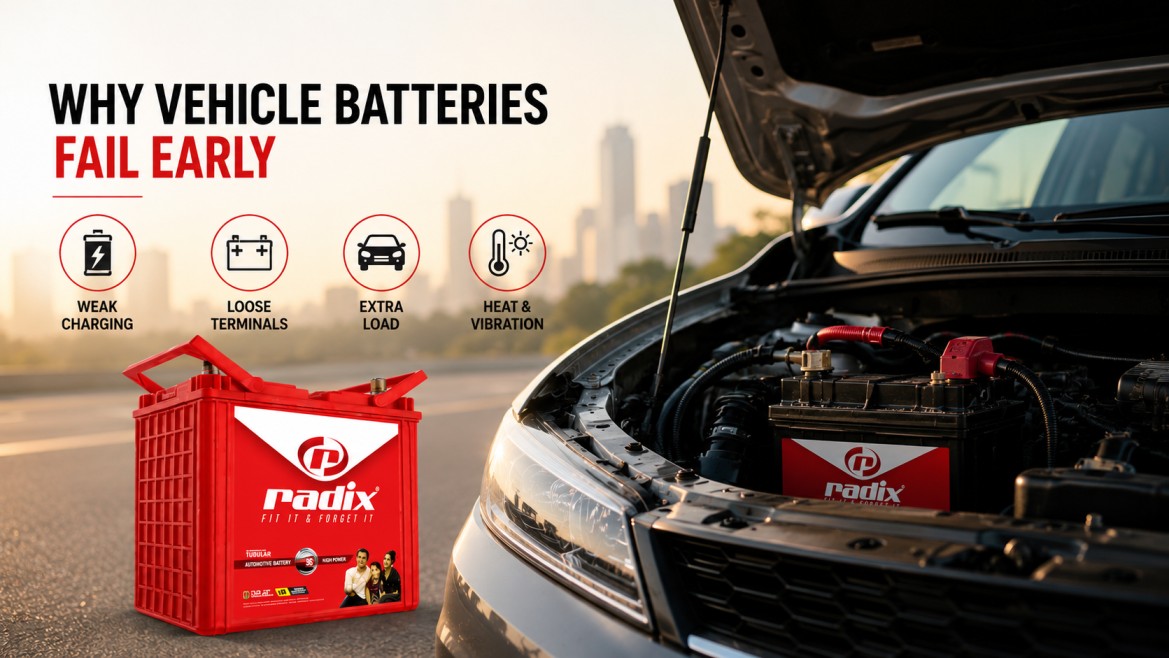
Heat slowly affects battery life. It can increase water loss in lead-acid batteries, reduce backup, and make weak internal construction show up faster.

That is why battery quality matters from inside. Plate strength, grid design, material quality, charge acceptance, and build consistency all play a role.

A reliable Battery Manufacturers Meerut brand should understand this because Meerut and nearby areas see all kinds of battery use: homes, shops, vehicles, solar backup, and e-rickshaws.

Roads And Vibration Also Matter

Road condition affects batteries more than many people think.

Bike batteries and automotive batteries face vibration every day. E-rickshaws run through narrow lanes, crowded roads, speed breakers, and uneven patches. If the battery is not built properly, vibration can loosen connections, affect plates, and reduce life over time.

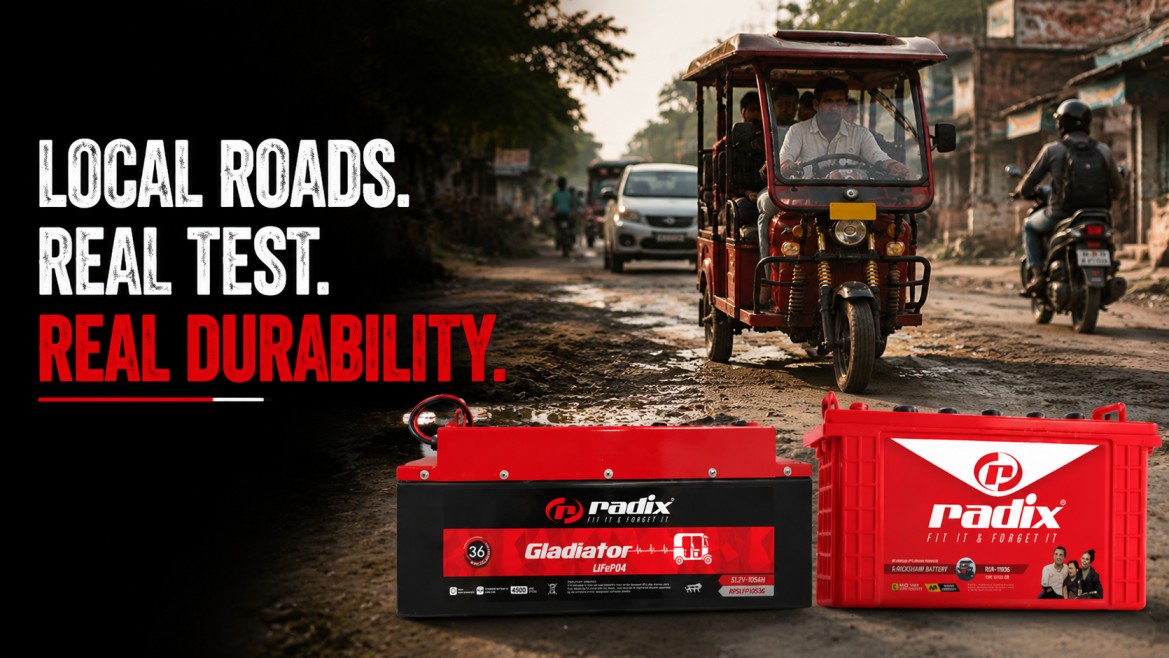
This is important for users looking for an E-Rickshaw battery company in UP. An e-rickshaw battery has to handle passenger load, repeated starts, long working hours, and regular charging.

It cannot be selected only by price.

The same applies to bike and automotive users. A battery that cannot handle daily road vibration will start giving trouble early.

Power Cuts Test Backup Strength

Inverter batteries face a different kind of pressure.

During power cuts, they run fans, lights, Wi-Fi, TV, CCTV, and sometimes shop equipment. When power comes back, they charge again. If cuts happen often, this cycle repeats every day.

This is where weak batteries show their limits.

Backup becomes shorter. Charging takes longer. Water level drops faster. Users think the inverter is bad, but many times the battery is under stress.

A good inverter battery manufacturer UP should guide users based on load and backup need. A small home, shop, office, and rural setup do not need the same battery.

Final Thoughts

UP’s weather and roads make battery quality important.

Heat, dust, vibration, power cuts, traffic, and daily use all affect battery life. So buyers should not choose only by price, Ah rating, or outer look.

As a Battery manufacturer in Uttar Pradesh, Radix works with different battery needs across inverter, automotive, solar, bike, and e-rickshaw applications.

A good battery should do its job without daily drama.

It should start the vehicle when needed, hold backup during power cuts, support regular charging, and perform steadily after months of use.

The Battery Mistakes That Shorten Inverter Backup Life

Most inverter batteries do not lose backup in one day.

The signs start slowly.

Earlier the battery gave backup for three or four hours. Now it drops early. The inverter takes longer to charge. Water level falls faster. Sometimes the battery heats more than usual. Many users ignore these signs because the inverter is still running.

But small mistakes can slowly reduce battery life.

At Radix, an inverter battery manufacturer in India, we see this often with home and shop users. The battery may be good, but the way it is used, charged, or maintained can shorten its backup life.

Overloading The Inverter

This is one of the most common mistakes.

People buy an inverter battery for a few lights and fans. Later, they keep adding more load. Wi-Fi router, TV, CCTV, extra fan, shop lights, billing machine, computer — slowly the battery starts handling more than planned.

The inverter may still run, but the battery drains faster.

If this happens again and again, backup life starts reducing. So before blaming the battery, check what is connected to the inverter. A battery selected for basic home use cannot perform like a bigger commercial backup setup.

A good inverter battery manufacturer in Meerut will always suggest matching the battery with the real load, not just buying by Ah rating.

Poor Ventilation Around The Battery

Batteries need breathing space.

Many people keep inverter batteries under stairs, inside closed cabinets, near kitchen walls, or in tight corners. This becomes worse in summer.

During charging, the battery naturally gets warm. If there is no airflow, heat stays trapped. Over time, this affects battery life and backup performance.

Keep the battery in a dry, clean, and ventilated place. Do not keep it in direct sunlight. Do not keep it where water can fall. A little open space around the battery helps more than people think.

Ignoring Water Level

For lead-acid inverter batteries, water level matters.

If the water level drops too low, the plates inside the battery can get damaged. Once that happens, backup will not remain the same.

Use only distilled water where topping is needed. Do not use tap water, RO water, or random local water. Wrong water can leave impurities inside the battery and slowly affect performance.

This is a small maintenance step, but ignoring it can shorten battery life badly.

Letting The Battery Stay Discharged

After a long power cut, the battery needs proper charging time.

But in many areas, power cuts happen repeatedly. The battery discharges, gets half-charged, then discharges again. This is hard on the battery.

If the battery stays discharged for too long, sulphation can increase. Once sulphation builds up, backup starts falling.

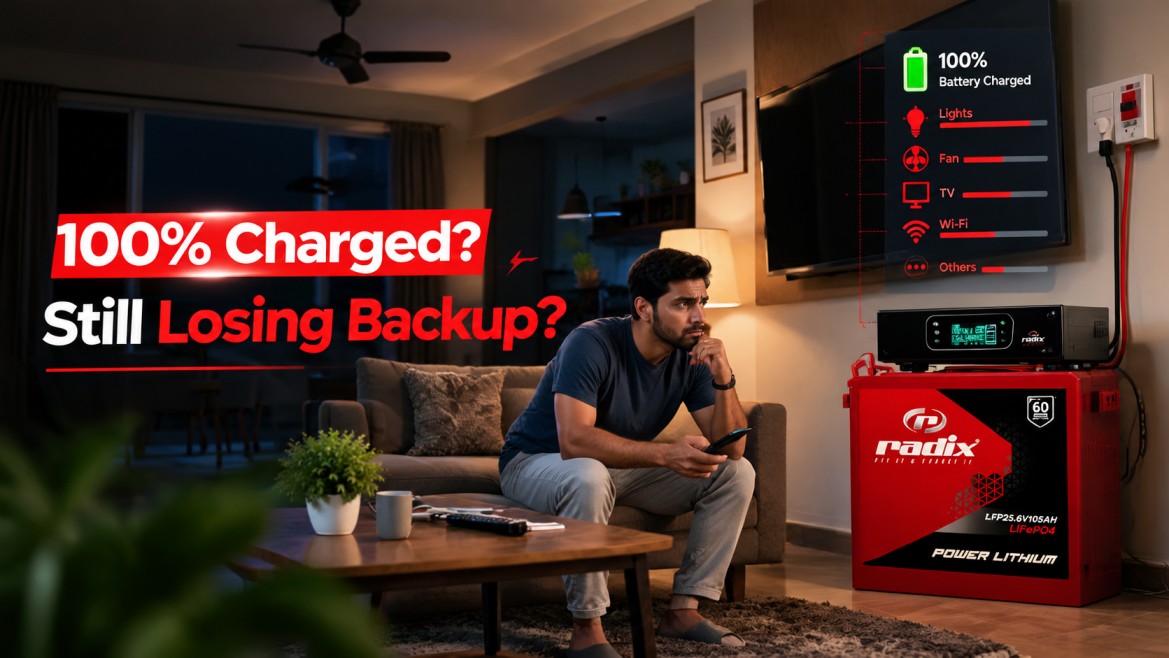
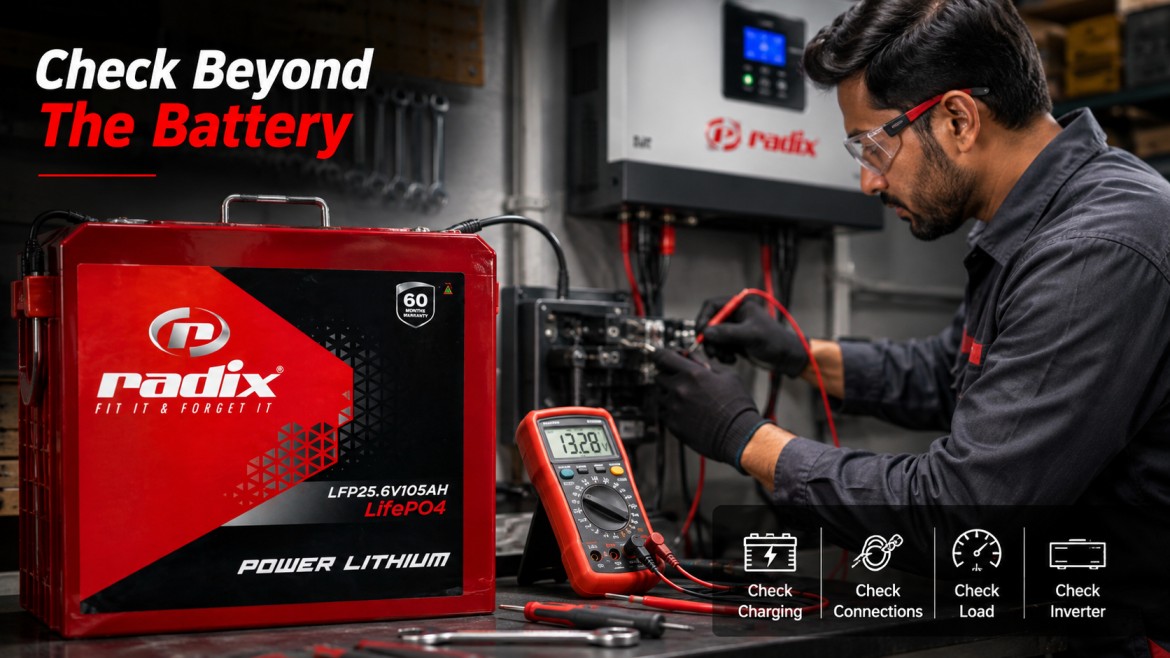
So if your battery is not getting enough charging time, or backup keeps dropping even after full charging, get the inverter and battery checked.

Loose Terminals And Poor Wiring

Sometimes the battery is not the main problem.

Loose terminals, weak cables, corrosion, or poor wiring can affect charging and backup. The inverter may not charge the battery properly. Current flow may become weak. The battery may look faulty even when the real issue is connection-related.

Check terminals from time to time. If you see white or greenish deposits, get them cleaned safely. Do not keep using the system with loose or dirty connections.

Wrong Battery Selection

Every home or shop does not need the same battery.

A small home, a large house, a shop, and an office all have different backup needs. If the battery is too small for the load, it will get overworked. If the inverter does not match the battery, charging may not happen properly.

This is where choosing the right Inverter battery manufacturer UP matters. Radix helps users and dealers understand battery selection based on load, backup time, and usage pattern.

A reliable inverter battery manufacturer in India should not only sell the battery. It should also guide users on proper use.

Final Thoughts

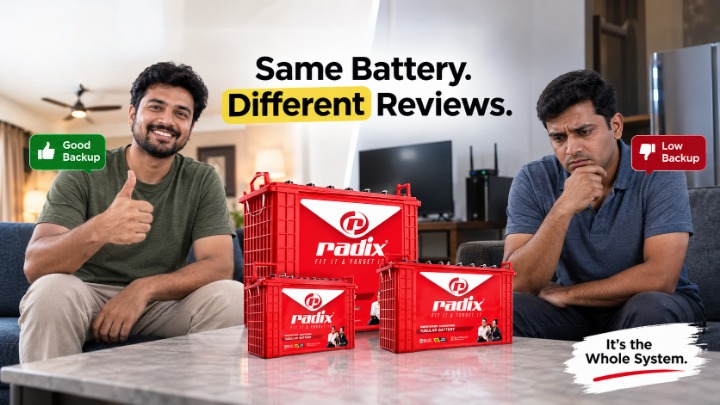
Inverter battery backup depends on more than the battery brand.

Load, ventilation, water level, charging time, wiring, and battery selection all matter.

Most backup problems start with small mistakes. Overloading the inverter. Keeping the battery in a hot corner. Ignoring water level. Using poor wiring. Letting the battery stay discharged.

If these things are controlled, the battery can perform better and last longer.

At Radix, the goal is simple: help users get steady backup without regular battery trouble. A good inverter battery should support daily power needs, handle regular charging, and not become a headache after a few months.

The Basics of Automotive Batteries: A Practical Guide by Radix

Most vehicle owners think about the battery only when the vehicle refuses to start. You turn the key, or press the start button, and the engine struggles. Sometimes there is only a clicking sound. Sometimes the lights come on, but the starter feels weak. And then the usual guess starts — “battery down hai.”

Many times, yes, the battery is weak. But not always. Sometimes the terminal is loose. Sometimes the alternator is not charging properly. Sometimes the vehicle has been parked for too many days. Sometimes extra lights, music system, GPS, or other accessories are pulling more load than the battery was selected for.

That is why understanding a vehicle battery is useful. Not in a textbook way. Just enough so you do not buy the wrong battery or replace a good one by mistake.

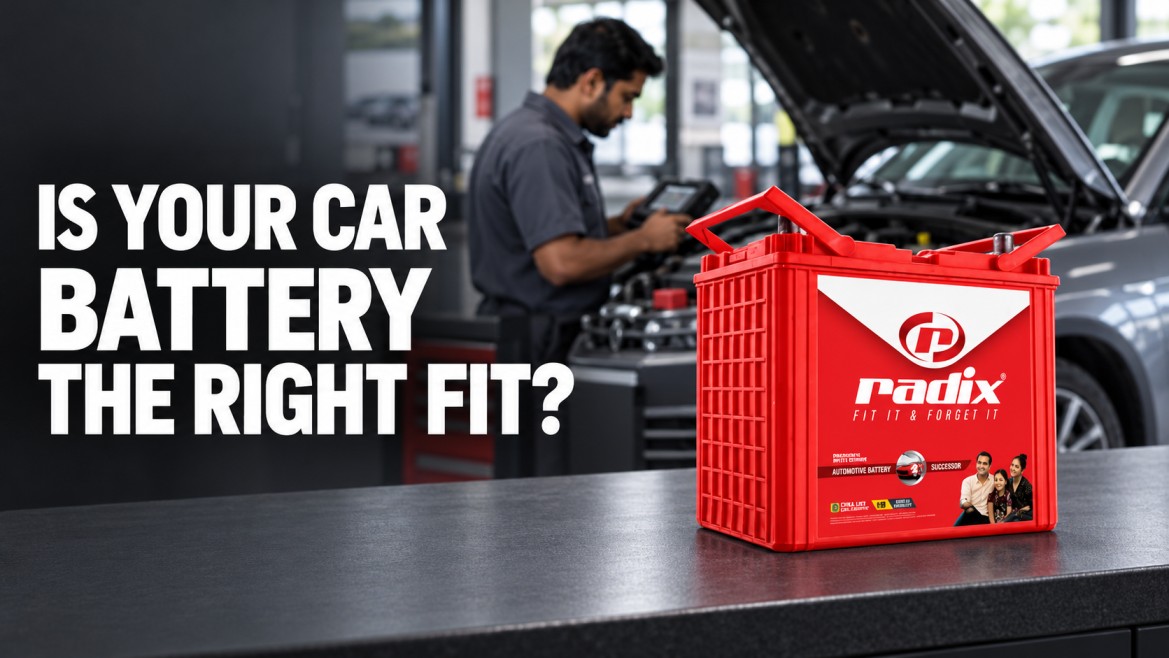
Radix works among automotive battery manufacturers in India, and from a practical point of view, the job of a battery is simple: the vehicle should start when needed and the electrical system should not struggle.

What Does An Automotive Battery Actually Do?

The first job of an automotive battery is starting the engine. When the vehicle is off, the battery stores power. When you start the vehicle, it gives a strong current to the starter motor. After the engine starts, the alternator begins charging the battery again.

That is the basic cycle. But today’s vehicles are not like older ones. Even small cars now have more electrical load than before. Central locking, infotainment system, sensors, parking camera, cabin lights, mobile charger, GPS, and sometimes aftermarket accessories also keep taking power.

So the battery is not only sitting there for starting. It is also supporting the vehicle’s electrical demand, especially when the engine is off or running at low speed.

This is why the correct battery size matters. A weak or undersized battery may work for a few weeks, maybe a few months. But later the signs start: slow crank, dim lights, frequent jump-starts, or battery drain after parking.

Common Types Of Automotive Batteries

Most regular vehicles still use lead-acid batteries. They are common because they are affordable, proven, and suitable for starting applications.

A lead-acid automotive battery is generally used in cars, tractors, small commercial vehicles, and many other vehicles where strong starting current is needed.

There are flooded lead-acid batteries, which may need electrolyte checking depending on the design. Then there are maintenance-free or low-maintenance options, which are easier for users who do not want regular checking.

VRLA batteries are another type. These include AGM and Gel batteries. They are sealed and generally need less maintenance. They are useful where leakage control, vibration resistance, and cleaner handling matter.

Lithium-ion batteries are also used in the automotive space, mainly in electric vehicles and advanced applications. These batteries are light but cost more at the start..

So when people talk about vehicle batteries, they should not assume one battery fits all. The right choice depends on vehicle type, usage, starting load, and budget.

What Is Inside A Lead-Acid Battery?

A lead-acid battery has positive plates, negative plates, separators, and electrolyte.

The positive plates are generally made with lead dioxide. The negative plates use sponge lead. The electrolyte is sulphuric acid solution. When the battery discharges, the chemical reaction inside produces electricity.

This sounds simple from outside, but the real difference is inside the battery.

Plate quality, grid design, paste quality, separators, container strength, and manufacturing control all affect battery performance. Two batteries may look almost the same from outside, but one may handle heat, vibration, and repeated starting better than the other.

This is where choosing the right vehicle battery manufacturer matters. It is not only about the label on the battery. It is about how the battery behaves after months of real use.

What Do Ah And CCA Mean?

Many buyers ask only for “kitne Ah ki battery hai?”

Ah is important, but it is not the only thing.

Ah, or Ampere-Hour, tells the capacity of the battery. It gives an idea of how much current the battery can deliver over time.

CCA, or Cold Cranking Amps, tells how strongly the battery can crank the engine in cold conditions. In colder areas, or in diesel vehicles, CCA becomes more important because the engine needs more starting power.

Even in regular Indian climate conditions, a weak cranking ability of the battery may pose problems in case the car stays idle for a long period, the engine is larger, or the climate is cooler.

Hence, when choosing a battery to replace the existing one in the car, one must consider getting the one with specifications that are consistent with the needs of the vehicle.

Signs Your Vehicle Battery Is Getting Weak

A weak battery usually gives warnings before it fully fails.

The engine cranks slowly. The horn sounds weak. Headlights look dull when the engine is off. The dashboard lights may flicker while starting. Sometimes the vehicle starts fine after a jump-start, but the same issue returns after one or two days.

That is a common battery failure sign.

But before replacing the battery, check the basics.

Are the terminals tight? Is there corrosion? Is the alternator charging properly? Is any accessory draining power when the vehicle is parked? Has the vehicle been standing unused for many days?

Many batteries get blamed for problems caused by poor charging or loose wiring.

A good mechanic will usually test the battery and charging system together. That saves money and avoids unnecessary replacement.

Basic Maintenance That Helps Battery Life

Automotive batteries do not need daily attention, but they should not be ignored completely.

Keep the terminals clean and tight. Loose terminals can create starting problems even if the battery is healthy. If there is white or greenish corrosion around the terminals, get it cleaned safely.

If the battery is a flooded type, electrolyte level should be checked as recommended. Only proper distilled water should be used where topping is needed.

Avoid keeping lights, music system, or accessories on when the engine is off. Deep discharge weakens the battery. If the vehicle is parked for many days, the battery can slowly drain, especially in vehicles with alarms, trackers, or electronic modules.

Heat also affects battery life. In Indian conditions, under-bonnet temperature can be high. Add poor charging or weak maintenance, and the battery life reduces faster.

Small checks make a big difference.

Why Radix Focuses On Practical Battery Performance

A car owner wants the vehicle to start in the morning. A tractor owner wants reliable starting during field work. A commercial vehicle owner cannot afford breakdowns during delivery. These are different users, but the battery problem is the same — if the vehicle does not start, work stops.

That is why battery selection should be practical.

As one of the automotive battery manufacturers in India, Radix focuses on batteries made for regular vehicle use, Indian road conditions, and daily starting needs. A battery should handle vibration, heat, electrical load, and repeated use without becoming a regular complaint.

For dealers and users, this matters because the cheapest battery is not always the best battery. If it starts giving trouble early, the saving is gone.

Battery Replacement Should Be Done Properly

When replacing a vehicle battery, match the specification first.

Check Ah rating, CCA requirement, battery size, terminal layout, and vehicle type. Also check whether the vehicle has extra accessories. A vehicle with added lights, music system, GPS, or commercial-use load may need proper battery selection, not guesswork.

After installing the new battery, the charging system should also be checked. If the alternator is undercharging or overcharging, even a new battery can fail early.

This is one mistake many users make. They replace the battery but do not check why the old one failed.

Battery Recycling Matters Too

Used automotive batteries should not be thrown away or handled carelessly.

Lead-acid batteries must go through proper recycling channels. This protects the environment and also ensures battery material is handled safely.

Responsible battery use does not end after the battery is removed from the vehicle. Disposal matters as much as installation.

Final Thoughts

An automotive battery looks like a simple box, but the vehicle depends on it every day.

A weak, improperly chosen, incorrectly charged, or inadequately maintained battery may cause issues for the vehicle sooner or later. Before purchasing a new battery, consider its requirement, capacity, load, terminal location, and charging state. Price should not be the sole criterion for purchase.Radix, among automotive battery manufacturers in India, offers batteries for users who need practical starting power and reliable vehicle performance. Whether it is a car, tractor, or commercial vehicle, the right battery helps avoid unnecessary breakdowns and keeps the vehicle ready for work.

Radix: E-Rickshaw Battery Manufacturer in India for Daily Commercial Use

For an e-rickshaw driver, the battery is not just one part of the vehicle. It directly affects daily earning.

Evidently if the battery gives proper mileage, the driver can complete more rides. If it were to have a low mileage, the whole day would have issues. More charging breaks, less running time, unhappy passengers, and sometimes missed income during peak hours.

That is why choosing the right battery matters.

Radix Batteries, an E-Rickshaw Battery Manufacturer in India, offers different battery models for drivers and fleet owners who need practical mileage, steady power, and reliable daily performance. The range includes options for regular city use, longer running needs, and different budget levels.

Why Battery Quality Matters in an E-Rickshaw

E-rickshaws usually do not get easy working conditions.

They run in traffic, carry passengers, stop and start again and again, and often work for long hours. The battery has to handle this daily routine. A weak battery may work for some time, but soon the driver starts noticing the usual problems: lower mileage, slow pickup under load, frequent charging, and early replacement.

A good battery for e-rickshaw should support daily commercial use. It should give stable output, proper distance per charge, and dependable performance under regular load.

For drivers, this is simple. More backup means more running time. More running time means better earning chances.

Radix E-Rickshaw Battery Range

Radix offers multiple e-rickshaw battery models for different usage needs. All models are specifically designed for a 4-battery module setup, giving a 48V system commonly used in e-rickshaw applications.

ModelRatingPlate TypeBattery ModuleNominal EnergyMaximum DistanceCharging TimeWarrantyPacked Weight
RER-162512V 120AhFlat (+ve), Flat (-ve)4 Nos. / 48V1440 Watt85–95 km8–10 hrs6 months30 kg ± 0.5 kg
E HUMSAFAR 160012V 110AhTubular (+ve), Flat (-ve)4 Nos. / 48V1680 Watt100–110 km10–12 hrs6 months38.5 kg ± 0.5 kg
RER-170012V 120AhTubular (+ve), Flat (-ve)4 Nos. / 48V1680 Watt100–110 km10–12 hrs9 months38.5 kg ± 0.5 kg
RER-180012V 140AhTubular (+ve), Flat (-ve)4 Nos. / 48V1680 Watt100–110 km10–12 hrs12 months38.5 kg ± 0.5 kg

Which Radix Battery Fits Which User?

The Radix RER-1625 is a practical option for drivers who want a more economical battery for daily use. It comes with a 12V 120Ah rating and gives a maximum distance of around 85–95 km. Its 8–10 hour charging time makes it suitable for overnight charging.

The E HUMSAFAR 1600 is built for users who need better distance coverage. With tubular positive plates and flat negative plates, it is made for more regular commercial use. It gives around 100–110 km maximum distance and works well for drivers who want longer daily running.

The Radix RER-1700 gives a similar 100–110 km range but comes with a 12V 120Ah rating and 9-month warranty. This model fits drivers who want a stronger option than the basic range and better warranty support.

The Radix RER-1800 is the higher-capacity model in the range. With a 12V 140Ah rating and 12-month warranty, it is suitable for users who want better long-term value and stronger battery capacity for regular work.

What Makes Radix a Practical E-Rickshaw Battery Manufacturer in India?

A lot of buyers only ask about price. That is natural, but price alone does not decide whether the battery will perform well.

Mileage, charging time, plate type, weight, warranty, and daily usage pattern also matter.

Radix batteries are made with different model options so drivers can choose according to their actual work. Someone who runs shorter routes may not need the same model as a driver who works full day in busy city areas. A fleet owner may look more at durability and warranty. A single driver may focus more on cost and daily mileage.

This is where a proper E-Rickshaw Battery Manufacturer in India should offer options, not just one standard battery for everyone.

Common Problems Radix Batteries Help Address

One common issue in e-rickshaws is reduced mileage per charge. When the battery is weak or not suited for the vehicle load, the driver has to charge more often. This directly affects earning time.

Another issue is battery replacement cost. If the battery does not last properly, replacement becomes a regular expense. Radix offers models with warranty coverage from 6 months to 12 months, depending on the battery model.

Load handling is also important. E-rickshaws carry passengers, sometimes more than ideal, and move through uneven roads and traffic. A battery must provide steady energy output during this kind of daily work.

Charging time also matters. Most drivers prefer overnight charging because the vehicle is needed during the day. Radix batteries are designed with practical charging windows of 8–12 hours depending on the model.

For Drivers and Fleet Owners

For a single driver, the main concern is simple: the battery should run properly through the day and not create frequent trouble.

And for fleet owners, the concern is bigger. If multiple vehicles are standing because of battery problems, the loss becomes much higher. They need batteries that are easier to plan around, with clear model options, known mileage range, and practical warranty support.

Radix Batteries gives both types of users options — from RER-1625 for economical use to RER-1800 for higher capacity and longer warranty.

Final Thoughts

Choosing an e-rickshaw battery should not be done only by looking at price. The right choice depends on route length, daily running hours, passenger load, charging time, and expected mileage.

Radix Batteries, as an E-Rickshaw Battery Manufacturer in India, offers different battery models for different working needs. Whether the requirement is budget-friendly daily use, longer distance coverage, or higher capacity backup, Radix has options like RER-1625, E HUMSAFAR 1600, RER-1700, and RER-1800.

For e-rickshaw drivers, a dependable battery means fewer charging breaks and better running time. For fleet owners, it means smoother operations and less downtime.

That is what a good e-rickshaw battery should do — support daily work without becoming a daily problem.

Can Overloading Damage E-Rickshaw Batteries?

Ever carried something heavy for too long? Your back hurts. Arms ache. The next day you feel it even more. The same thing happens to your battery. They carry people. They carry goods. For many drivers, this is the main source of income. So it feels tempting to take one extra passenger or a little extra load. More load means more money, right? But here is the truth. Overloading can slowly damage your battery. And battery replacement is not cheap. In this blog by Radix, a trusted E-Rickshaw battery manufacturer in India, we will explain how overloading affects your battery and what you should watch out for.

What happens when you overload

Every e-rickshaw has a fixed weight limit. When you cross that limit, the motor has to work harder. When the motor works harder, it pulls more power from the battery.

This extra power draw creates more heat. It also drains the battery faster. One or two times may not show big damage. But if you overload daily, the battery starts feeling the pressure.

Even a strong battery made by a good E-Rickshaw battery manufacturer in has limits. It is built for normal use, not constant overload.

How overloading reduces battery life

A battery works best when power flow is steady. Overloading forces it to give high current again and again. This stresses the internal plates.

Slowly, backup time becomes less. You may notice your vehicle does not run as long as before on a full charge. Charging time may increase too.

Heat is another problem which is not good for battery health. Over time, this reduces life. 

Signs you should not ignore

Your e-rickshaw feels weak on small slopes.
Battery drains very fast.
Battery becomes very hot after a trip.
You need to charge more often than before.

These signs tell you something is wrong. Overloading could be one reason.

Why battery quality still matters

A strong battery from a trusted E-Rickshaw battery manufacturer can handle daily city use better. It gives stable power. It stays balanced under normal load.

Radix, a trusted E-Rickshaw battery manufacturer in India, designs batteries for Indian roads and traffic conditions. But even the best battery needs proper care. Good quality plus good usage gives the best result.

Simple ways to protect your battery

  • Follow the weight limit of your vehicle.
  • Avoid carrying extra passengers for quick money.
  • Charge the battery fully before long routes.
  • Do regular maintenance checks.

Small habits can save you big money later. 

FAQs

1. Can overloading damage my battery quickly?

Not in one day. But regular overloading reduces battery life over time.

2. Why does the battery heat up during overload?

Because it gives more current than normal. More current means more heat.

3. Does good battery quality prevent damage?

Good quality helps. But even the best battery has limits.

4. How can I increase battery backup?

Avoid overload. Charge properly. Maintain regularly.

5. Is it worth overloading for extra income?

It may give a small extra money now. But battery replacement later costs more.

Final words

Your battery is the heart of your e-rickshaw. If you take care of it, it will support your earnings every day.

Choose Radix, a trusted E-Rickshaw battery manufacturer in India, for strong performance and long life. Drive smart. Protect your battery. Keep your income steady.

Agrivoltaics: Farming and Solar Power Together

In a country like India with limited farm space and high need for electricity, land is a very valuable resource. Using the same piece of land for both farming and power generation sounds smart right? That’s exactly what agrivoltaics does. Same land. Two incomes. Food plus power. In this article by Radix, a trusted solar battery manufacturer in Meerut, let us break down what agrivoltaics actually means and why it matters for farmers.

What is Agrivoltaics

Agrivoltaics is basically farming and solar power working together on the same land. The word comes from combining agriculture and photovoltaic which means solar electricity. Here the crops are grown underneath the solar panels on tall structures in the farmland. The panels generate electricity while crops grow in the space below. Some people also call it agrisolar or dual use solar. Farmers can grow their crops and produce clean solar energy at the same time. 

How It Actually Works on Your Farm

Solar panels get mounted on tall metal structures. Usually 3 to 4 meters high. Crops grow underneath with some shade from panels above. Not complete darkness though. Panels get spaced out so enough sunlight still reaches your plants.

Vegetables that normally burn in direct summer sun do better with partial shade. Water doesn’t evaporate as fast because the ground stays cooler. 

The electricity goes two ways. Powers your farm equipment like water pumps and cold storage directly. Any extra power can be sold back to the electricity grid for additional income.

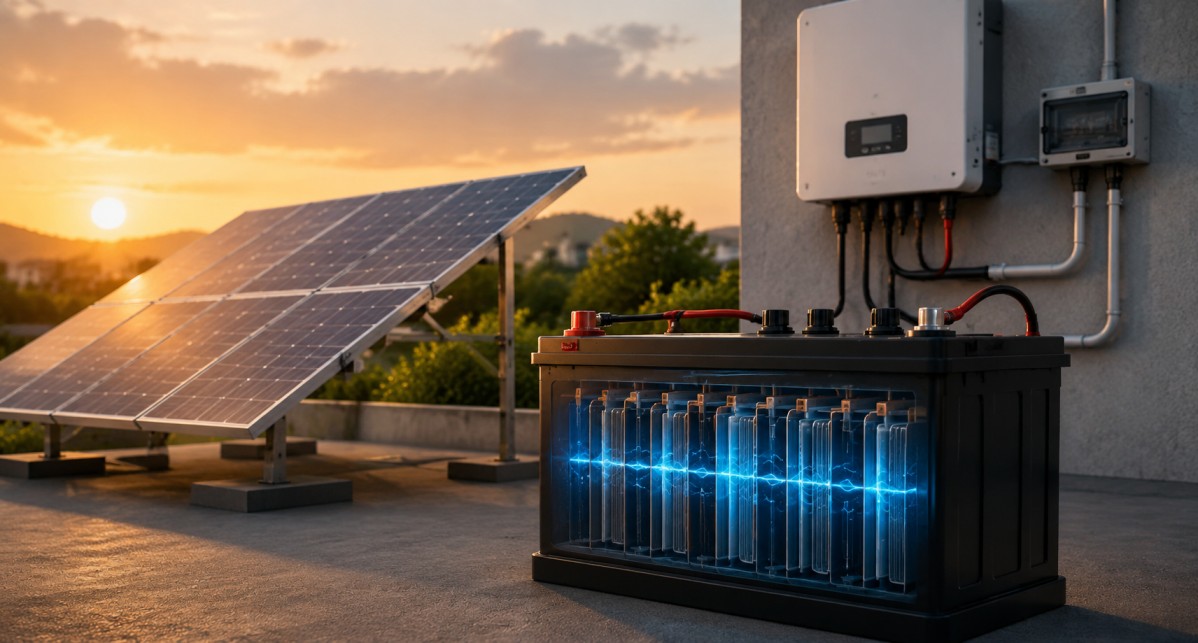
Battery storage becomes really important here. Radix, a reliable solar battery manufacturer in Meerut, provides efficient solar batteries that work with excellence.

Why Indian Farmers Are Getting Interested

India doesn’t have unlimited farmland. The population keeps growing. We need more food every single year. But we also need way more electricity. Taking away good farmland just for solar farms creates new problems.

Agrivoltaics fixes this conflict. Get both food and power from the same land. Farming costs keep climbing too. Diesel for pumps costs a fortune. Grid electricity for irrigation keeps getting expensive. Solar power with battery storage cuts these costs dramatically over 5 to 10 years. Agrivoltaics can drop that burden significantly.

Which Crops Actually Work

Not every crop works equally well under solar panels. Leafy vegetables like spinach and lettuce grow really well with partial shade. Tomatoes, peppers, and beans also perform okay. Even some berries and medicinal plants thrive under these conditions.

Crops needing full blazing sunlight all day like wheat or rice might not work as well. But smart mixed farming with right crop choices makes agrivoltaics productive. Early results from pilot projects across India look quite promising though.

The Battery Part

Solar panels make power during daytime. But farms need electricity at night too. For running irrigation pumps after sunset. For keeping cold storage running. For processing equipment.

This is where battery storage becomes absolutely critical. Radix, a dependable solar battery manufacturer in Meerut that offers high quality solar batteries built for long life and steady backup.

Morning pump usage when you’re irrigating fields. Daytime processing of harvests. Evening cold storage for keeping produce fresh. Batteries store excess daytime solar power and make it available whenever you actually need it.

Without proper battery storage, agrivoltaics lose a huge chunk of its value. 

The Challenges

While agrivoltaics sounds great, it does have some challenges too. Setup costs real money upfront. Installing those tall structures and solar panels requires decent investment. Not all farmers can afford this easily without loans or subsidies.

Technical knowledge is limited right now. Farmers need proper training on managing both crops and solar systems together. Support infrastructure is still being built in most states.

Working with an experienced solar battery manufacturer helps because they understand regional farming patterns and weather conditions. They can recommend appropriate system sizing based on actual local needs, not just generic calculations.

Making Agrivoltaics Work for Your Farm

Interested in combining your farming with solar power generation? Radix can help design a complete system that works for your specific land size, crop types, and power needs.

Our batteries are built specifically for agricultural use in Indian conditions. Reliable power storage that handles farm load patterns and lasts for many years even in tough weather.

We understand farming because we work with farmers regularly. Not just selling equipment. Actually helping design systems that solve real problems.

Contact Radix today to discuss agrivoltaics options for your farm. Let’s figure out how to make your land more productive and way more profitable.

Call us or visit our website to get started now.

Questions Farmers Keep Asking

Q. Will solar panels block too much sunlight for my crops?

Not when designed properly. Panels get spaced to allow enough sunlight through for healthy growth. Some crops actually benefit from partial shade especially in hot summer months.

Q. What happens during the monsoon when there’s less sun?

Battery storage helps you run things during cloudy days. Also you can pull from the grid during extended rainy periods if needed. The system handles both situations.

Q. How long before my investment pays back?

Typically 5 to 7 years depending on system size, your power usage patterns, and crop yields. After the payback period, the system generates profit for 20 plus more years.

6 Common Mistakes That Reduce E-Rickshaw Battery Life

An e-rickshaw battery is the heart of the vehicle. When it works well, daily income stays smooth. When it fails early, work stops and costs rise. Many drivers do not realize that small daily mistakes slowly damage the battery. In this blog by Radix, a trusted E-Rickshaw battery company in Meerut, we are going to understand the common mistakes that reduce E-rickshaw battery life.

Let us understand the common mistakes that reduce battery life and how you can avoid them.

1. Overcharging the battery

Many drivers leave the battery on charge all night. They feel more charging gives more backup. This is not true. Overcharging heats the battery. It damages the plates inside. Slowly, the battery stops holding charge like before. Always remove the charger once charging is complete. This small habit can add many months to battery life.

Radix batteries are made for daily use, but correct charging is still important. As a trusted E-Rickshaw battery company in Meerut, Radix guides drivers on safe charging every time.

2. Using the battery till it is fully empty

Some drivers keep driving until the battery is fully drained. This puts heavy pressure on the battery. It reduces life and can cause sudden stops on the road.

Recharge when the battery level comes down to around 20 to 30 percent. This keeps the battery healthy and power steady each day.

3. Forgetting water levels in lead acid batteries

Lead acid batteries need proper water levels. Many drivers forget to check this. Low water exposes the plates and causes damage. Using tap water also harms the battery.

Check water levels regularly. Use only distilled water. This simple step improves battery life and performance.

As an experienced E-Rickshaw battery company in Meerut, Radix always advises easy care steps to avoid early battery failure.

4. Overloading the e-rickshaw

Extra passengers or heavy loads put stress on the battery. The motor pulls more power. The battery drains faster and heats up. Backup reduces and life becomes shorter.

Always follow load limits. A balanced load keeps both battery and motor healthy.

5. Poor storage during off days

If the e-rickshaw is unused for many days, the battery should not be ignored as when left idle, it loses strength fast.Fully charge the battery before storage. Recharge it once every few weeks. This keeps the battery active and ready.

Radix batteries are built for Indian conditions, this is why many drivers trust Radix as their E-Rickshaw battery company in Meerut.

6. Using low quality chargers or loose wiring

Cheap chargers and loose wires cause uneven charging. This leads to heating and internal damage. Always use good quality chargers and check wiring often.

Why choose Radix e-rickshaw batteries

1.Built for long daily routes
2.Low maintenance and steady power
3.Made for Indian roads and weather
4.Trusted by drivers and dealers

Radix is counted among the best battery manufacturers in India because it focuses on real road use. Drivers choose Radix for fewer breakdowns and better daily earnings.

Final words

Most battery problems come from daily habits. Correct charging, proper load, and basic care can improve battery life a lot. The right battery brand also makes a big difference.

Radix continues to support drivers and partners as one of the best battery manufacturers in India. With the right care and a trusted battery, every route feels easier and more profitable.

Dispelling 5 Common Myths About Solar Battery Storage

These days, more people are turning to sunlight for energy at home or work – and really, who wouldn’t pick it? With spikes in monthly bills plus erratic grid supply, saving sun power seems like a relief. Yet doubts linger, even now, thanks to widely held myths about solar battery storage. In this blog by Radix, a trusted solar battery manufacturer in Meerut, we will dispel the common myths about solar battery storage.

The truth behind common solar battery storage myths

Myth 1: 

Solar batteries are only useful during power cuts

Fact:

Some think solar batteries only kick in when the lights go out. True, they step in if the grid fails – but that is just part of what they do. When sunlight fills panels and power surfs above need, the solar battery stores and saves it for later use. That cuts down how much you rely on the power outlet. Using sunlight each day often means spending less money on electricity. People tend to pick solar batteries from brands they trust when they want steady, everyday savings – especially if backup power matters.

Myth 2: 

Solar battery storage is too expensive

Fact:

Solar batteries are not always more expensive than inverter batteries. So labeling them “too expensive” misses part of the story. Lately, costs have dropped sharply while tech gained ground fast. Think instead about lower electric charges, longer power runs, even free perks from certain government subsidies and then – suddenly, that initial spend sits better in pocket. Radix, a reliable solar battery manufacturer in Meerut, designs cost effective batteries that are durable.

Myth 3

Solar batteries need constant maintenance

Fact:

Most people find regular maintenance a hassle. And for a fact, it is. But when maintenance is less, peace of mind is at hand. Radix, an experienced solar battery manufacturer in Meerut, offers low maintenance solar batteries that require little upkeep. So your solar batteries run smoothly even when they stay out of sight, needing nothing more than silence.

Myth 4

Solar batteries don’t last long

Fact:

It might surprise you how long solar batteries actually last. Not every solar battery fades fast – most run well past ten years, sometimes up to fifteen. What changes performance is how often they’re used and what kind of technology powers them. Efficiency here isn’t rare – it’s built into today’s designs. With solar batteries from Radix, a dependable solar battery manufacturer in Meerut, you get efficiency and plus years extra of reliable service.

Myth 5: 

Solar batteries don’t work well in cloudy weather

Fact:

When skies turn gray, sunlight weakens, yet devices still hold some charge. Energy gathered during bright hours fills batteries, even if shine fades later. These setups adapt – pulling power from sources like wires if light runs short. That setup turns solar power into a steady help when it’s needed, regardless of seasonal light levels.

Final Thoughts

Batteries for solar power? Not nearly as tricky as some claim. Old facts and confusion shape many of those stories. Truth is, solar batteries store energy, cut costs, bring calm knowing you’ve got backup. Starting fresh with solar storage? It flows easier when guided right. Trust builds confidence along the way.

Thinking of buying solar batteries? Choose your solar battery manufacturer wisely because it changes everything. At Radix, a trusted solar battery manufacturer in Meerut, we focus on reliable power, long life, and performance you can count on every day.

How a Reliable E-Rickshaw Battery Impacts Daily Earnings in India

For e-rickshaw drivers, daily income isn’t just about time on the road it’s about battery reliability. Imagine completing fewer trips because your battery drains completely mid-route. That’s money literally lost. A dependable battery keeps the vehicle running, trips consistent, and earnings steady.

The best e-rickshaw battery in India has to come from a brand that delivers dependable power, long life, low maintenance, and strong performance on tough roads. Among lithium e-rickshaw battery manufacturers in India, Radix stands out for its real-world performance.

Battery inefficiency also affects e-rickshaw battery price in India, as frequent replacements increase long-term operating cost.

In this blog, let’s figure out how a reliable battery impacts daily earnings of E-rickshaw drivers in India. 

Why Reliability Directly Affects Income

Every trip counts. Radix lithium batteries are tested for commercial durability under real Indian driving conditions. A battery that loses charge quickly or struggles under weight can shorten routes, slow pick-ups, and create unplanned stops at charging points. Drivers face income loss daily, sometimes unknowingly.

A reliable battery offers:

  • Extended daily operating hours
  • Steady performance even under passenger load
  • Fewer mid-day charging interruptions

Drivers using high-quality batteries often complete 20–30% more trips than those with subpar batteries, translating directly into higher income.

Common Battery Problems That Cost Drivers

Here’s what many drivers experience with low-quality batteries:

  • Sudden voltage drops after months of use.
  •  Overheating during hot summer days.
  • Reduced range when carrying passengers or goods.
  • Frequent replacements and extra costs.

Not all e-rickshaw battery manufacturers in India focus on heavy daily commercial use, leaving drivers with unreliable options that impact their wallets.

How Radix Batteries Make a Real Difference

Radix, one of the best e-rickshaw battery in India,  focuses on reliability rather than flashy claims. Their products are engineered to meet the actual needs of e-rickshaw drivers.

Here’s what makes Radix lithium-ion E-rickshaw Batterie stand out:

1. Steady Daily Range– The battery holds voltage well, letting drivers finish trips without surprises.

 2. Strong Under Load – Handles passengers, goods, and inclines smoothly.

3. Long Service Life – Lasts 5–8 years with routine care.

4. Built for India – Performs reliably in heat, dust, and traffic.

These benefits have made Radix one of the most trusted e-rickshaw battery manufacturers in India.

Real Impact on Monthly Earnings

Let’s take an example: A driver earning ₹900 daily could lose ₹200–₹300 because of battery inefficiency. Over a month, that’s substantial. By switching to a reliable Radix lithium-ion E-rickshaw battery:

  • Downtime decreases
  • Completed trips increase.
  • Fewer charging breaks.
  • Reduced maintenance costs

The result is predictable income, lower stress, and better long-term savings.

Last Thought 

For drivers searching for the best e-rickshaw battery in India Radix offers dependable performance, long life, and real income benefits.  Radix Batteries provide durability, long life, and Indian road readiness, helping drivers maximize earnings every single day.Choose a battery that works as hard as you do.

Check Radix lithium-ion E-rickshaw Batteries or find a local dealer to ensure your e-rickshaw runs longer, earns more, and stays reliable.

Learn more about our e-rickshaw battery solutions designed for Indian roads.https://radixbattery.com/products

FAQs

Q1. How does battery quality affect driver earnings? 

 Better batteries extend daily range, reduce downtime, and increase trips completed.

Q2. Are Radix batteries suitable for heavy daily use?

Absolutely. Designed for commercial operations, Radix batteries handle continuous load efficiently.

Q3. Why choose Radix among e-rickshaw battery manufacturers in India? 

Radix focuses on real-world reliability, long service life, and durability for Indian driving conditions.

Why Radix Solar Batteries Are a Reliable Choice in India

As times are changing, solar batteries are gaining popularity among households and other sectors in India; solar is everywhere in India right now. Rooftops in cities, farms in villages, and panels are going up fast. But without a proper battery, half the power you generate in the day just goes to waste. Radix, one of the leading solar battery manufacturers in India, has been making solid solar batteries for years and empowering India with reliable solar power.

In this blog, let’s break down why Radix solar batteries are a perfect fit for your solar setup in India.

 Why Radix Is Among the Top Solar Battery Manufacturers in India

Bills are getting higher every year. Power cuts are still common outside big cities. A decent solar battery lets you store daytime power and use it whenever you need it. Radix, reliable solar battery manufactures in India offers solar batteries that charge properly in sunlight and hold that charge well into the night or during bad weather.

Tubular Solar Batteries Designed for Indian Conditions From Top Solar Manufactures In India 

1. Tubular Design That Lasts Longer

We mostly make tubular batteries. These take daily charging and discharging much better than regular flat-plate ones. You can drain them deeper without killing the battery fast.

2. Made for Indian conditions.

Hot summers, dusty roads, monsoon humidity; Indian weather is rough on everything. Radix, one of the top solar battery manufacturers in India builds each and every solar battery to handle all that without breaking down quickly. Maintenance is also pretty low.

Options for Every Need and Budget

You get different sizes such as 100Ah, 150Ah, 200Ah, even bigger. It works for small homes or larger setups with pumps and machines. Prices are reasonable too, not some premium-only thing.

How It Helps in Daily Life

1.  No More Worrying About Power Cuts

Lights, fans, fridge, and TV everything stays on when the grid fails. Farmers run pumps on time. Many households have slashed their monthly bill by half or more.

2.  Better for the Planet

Recyclable materials, less dependence on coal power. You save money and do your bit for the environment at the same time. Warranties are decent, and the company actually tests things properly.

Power You Can Trust For A Better and Greener Tomorrow

If you’re adding storage to your solar system, Radix is one of the reliable solar battery manufacturers in India out there. Been manufacturing in Meerut for over two decades, we know local needs well. Nothing flashy, just batteries that work. Looking for a reliable solar battery manufacturer in India? Explore Radix tubular solar batteries designed for Indian weather and power needs.

Check out radixbattery.com  

Frequently Asked Questions

Q1. Is Radix reliable in India?

Yes, Radix has been in business for over two decades. We focus on tubular batteries that suit Indian usage.

Q2. How many years do solar batteries actually last?

5-8 years with normal care. Some get more if solar batteries are maintained well.

Q3. Is it good for completely off-grid places?

Yes, it works great where the grid is weak or nonexistent.